
Study based at Providence Healthcare explores the emotional burden of being a family caregiver
One in four Canadians is a caregiver – often taking on the role overnight, with little time to prepare for what comes next.
Sharon Tonner-Clarkson, a patient family partner (PFP) at Unity Health Toronto, knows that reality all too well. Her mother was diagnosed with osteoporosis after sustaining a fracture in her back.
“My mother was someone who went out on her own with no issues, to then needing total care in bed,” Tonner-Clarkson says. “It was completely staggering.”
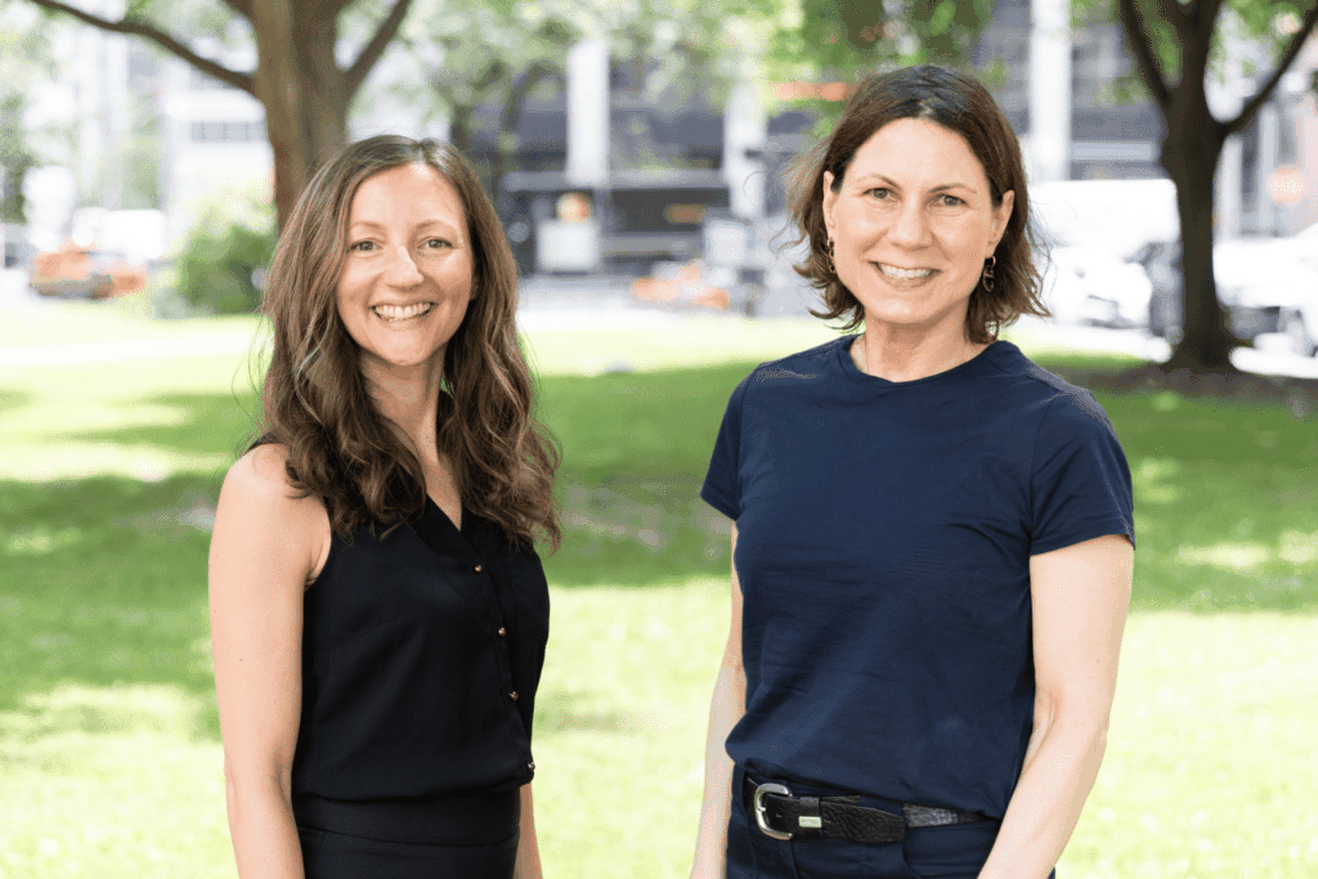
At Unity Health Toronto, clinical research specialist Kathryn Hodwitz and clinical epidemiologist Joanna Sale are working to better understand the intense realities of being a caregiver. Their study, “Don’t tell me I’m going to feel joy”: The emotional burden of informal caregivers of patients with a fragility fracture discharged from a rehabilitation hospital, published in the journal Osteoporosis International, examines the complexities of caregiving after a fragility fracture. A fragility fracture is a break in a bone caused by a minor fall or injury, often linked to weakened bones from conditions like osteoporosis.
Much of the existing literature highlights the positive and rewarding aspects of caring for a loved one. However, through interviews with 32 caregivers at Providence Healthcare, Hodwitz and Sale discovered that, while those moments exist, caregiving also carries significant physical and emotional demand, particularly when the need for care is sudden. They also found that the pressure to take on a caregiver role can intensify one’s emotional burden and lead people to feel that they can’t ask for help.
“I feel like I have an obligation to advocate, not just for patients, but for families,” Sale says. Many caregivers feel pressure to take on the role without complaint, even when the role becomes overwhelming, she notes. Some find themselves in the “sandwich generation,” caring for aging parents while also supporting children or other dependents with little to no assistance.
“We have a lot of patients who are reluctant to receive outside help,” Sale says. “Understandably, not many people want a stranger in their house. However, by accepting help, care recipients can alleviate some of the burden on the person looking after them 24/7.”
Though a fragility fracture is sudden, its effects can continue long after healing. In many cases, it becomes the catalyst that significantly shifts a patient’s long-term independence and care needs.
For Tonner-Clarkson, that meant stepping away from work to become her mother’s full-time caregiver. While her background as a personal support worker offered some familiarity with the system, Tonner-Clarkson says caring for a loved one is an entirely different experience – one with its own emotional and practical challenges that caregivers, regardless of experience, must navigate.
“Caregivers really need to start thinking about how to best support and fill the gap in care while waiting for either home care or recipients to go to a long-term care home,” Tonner-Clarkson says. “Everybody needs to start planning for aging in place because it happens in the blink of an eye.”
Caregivers play an essential role in the healthcare system, often providing care that would otherwise fall to hospitals or long-term care.
“Caregivers extend healthcare into the home,” Hodwitz says. “They take on personal support worker roles, helping with care coordination, navigating the healthcare system, assisting with daily living, and providing emotional support.”
Providing support to a loved one coping with frustration and loss of independence can be especially demanding over time, explains Hodwitz. Regardless of how caregivers are feeling themselves, they are often expected to remain a source of encouragement and positivity for the person in their care — a challenging ask in an already demanding role.
Today, Tonner-Clarkson uses her experience to support others as a patient and family partner (PFP) at Unity Health. PFPs are volunteers who draw on their lived experience as patients or caregivers to work with hospital staff and leaders, helping to improve care and the overall healthcare experience for patients and families.
“If there is any way I can now repay and show my gratitude towards Unity Health, I will,” Tonner-Clarkson says. “All the great doctors and staff were phenomenal with helping my mom through the years. And that is why I’ve become a PFP, to repay Unity Health and honour my mom’s legacy.”
Sale, Hodwitz and Tonner-Clarkson all emphasize that many caregivers are unprepared and unsure of where to find support. They encourage caregivers to prepare early and feel comfortable asking for help.
Caregiving after a fragility fracture does not follow a single path. By sharing these experiences, they hope to create discussion and strengthen support systems for those in this essential role.
Caregivers looking for support can explore the following resources:
Kathryn Hodwitz is a Clinical Research Specialist in the Qualitative and Patient Engagement unit of Strategic Partnerships in Health Excellence, Research and Engagement (SPHERE) at Unity Health.
Joanna Sale is a Scientist in Musculoskeletal Health and Outcomes Research at Unity Health, a Professor at the University of Toronto and the Brookfield Chair in Fracture Prevention.
By Hannah Nickle
Originally posted to Unityhealth.to
Share this Article


