
New study reveals risk of death after surgery is significantly higher for residents of low-income neighbourhoods
New research from St. Michael’s hospital found patients from the lowest-income areas in Ontario had a 43 per cent higher chance of dying within 30 days of surgery compared to those from the highest-income areas in the province.
The study, published today in JAMA Network Open, analyzed over one million patients across Ontario who underwent planned in-patient surgery between 2017 and 2023, using data gathered at ICES, an independent Canadian research institute that analyzeshealth care and demographic data. They found that patients residing in lower-income neighbourhoods face a substantially higher risk of death after surgery.
This pattern, where the risk of death increased as neighbourhood income decreased, persisted even after researchers accounted for important factors like patients’ age, existing health conditions, complexity of the surgery, and even the hospital where they were treated. The research suggests that improving surgical outcomes requires addressing broad disparities related to social determinants of health.
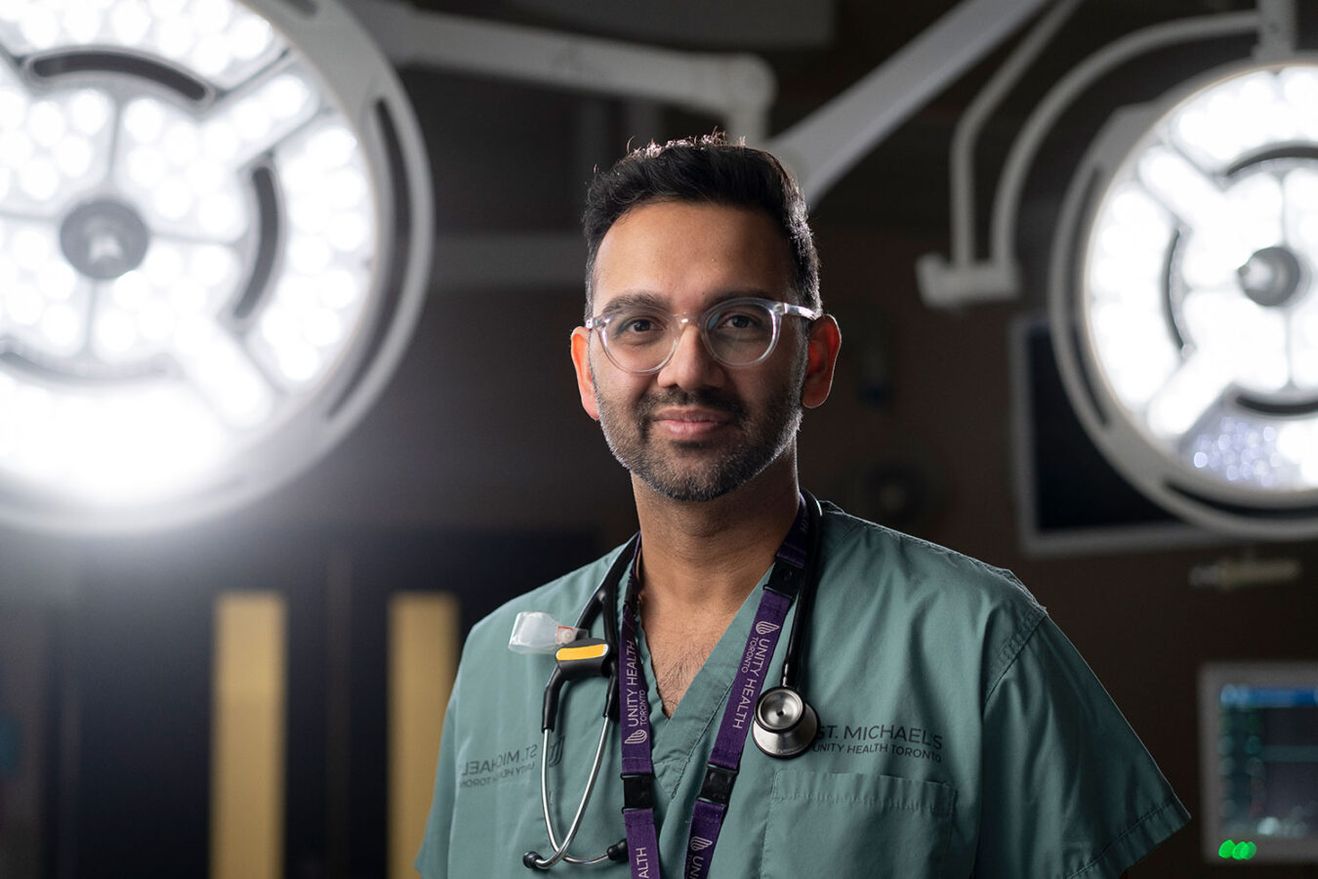
“Even in a universal health care system, not everyone faces the same risks when they come for surgery,” says Dr. Ashwin Sankar, investigator at St. Michael’s Hospital and lead author of the study. “We found clear and persistent income-based disparities. Patients from the lowest income neighbourhoods had substantially higher odds of dying following elective surgery than patients from the wealthiest areas, despite receiving care in the same publicly funded system.”
It was during the COVID-19 pandemic, a time when access to hospital and clinical care was limited, that Sankar began exploring the connection between health outcomes and social disparities. While this new study considers hospital-related factors, Sankar and his co-authors uncovered underlying issues beyond the operating room.
“What stood out is that hospital-level factors explained only a modest share of the variation in outcomes,” Sankar explains. “This suggests that the roots of these disparities lie upstream of the operating room—in the broader social and economic conditions patients face before and after surgery.”
For Sankar, the study serves as a “problem statement,” setting the stage to further investigate how patients from marginalized communities interact with the health care system, be it access to primary care or wait times to see specialists.
“We almost take for granted the privilege of accessing publicly funded health care,” he says. “But this study shows that not everyone faces the same risk after surgery. We need to understand and improve the processes of care before and after surgery to even the playing field, and make sure outcomes are not dictated by income or postal code.”
Read the full study “Social Determinants of Health and 30-Day Mortality After Inpatient Elective Surgery” published today in JAMA Network Open.
By Christine Davidson
Photo by Kevin Van Paassen
Share this Article


